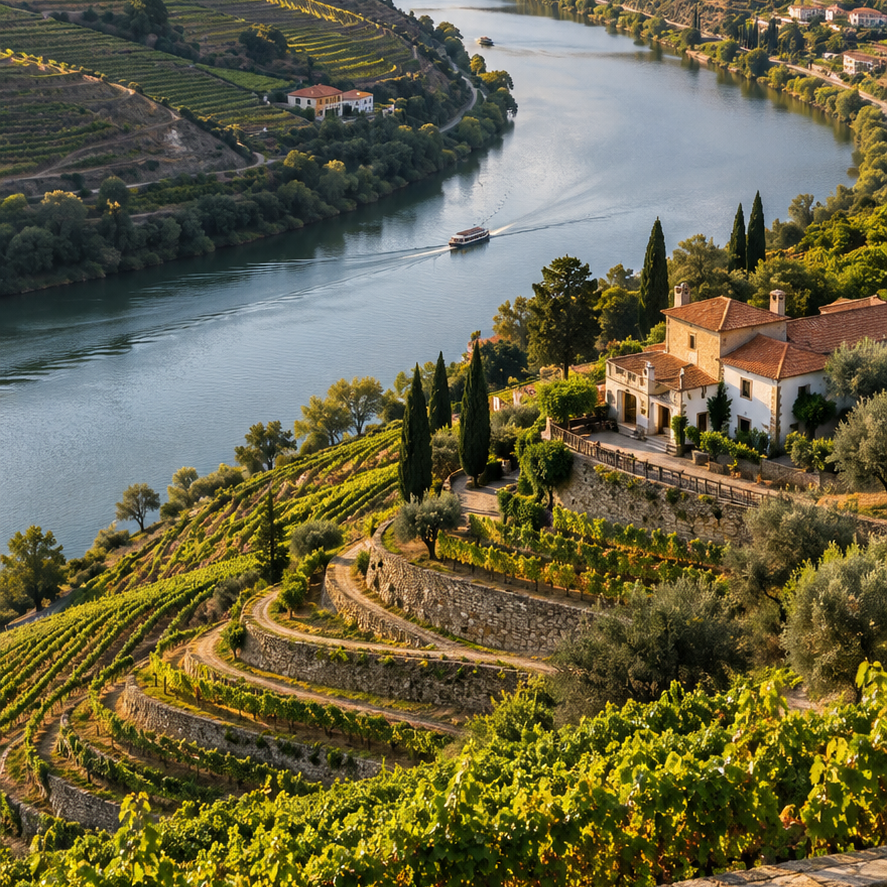
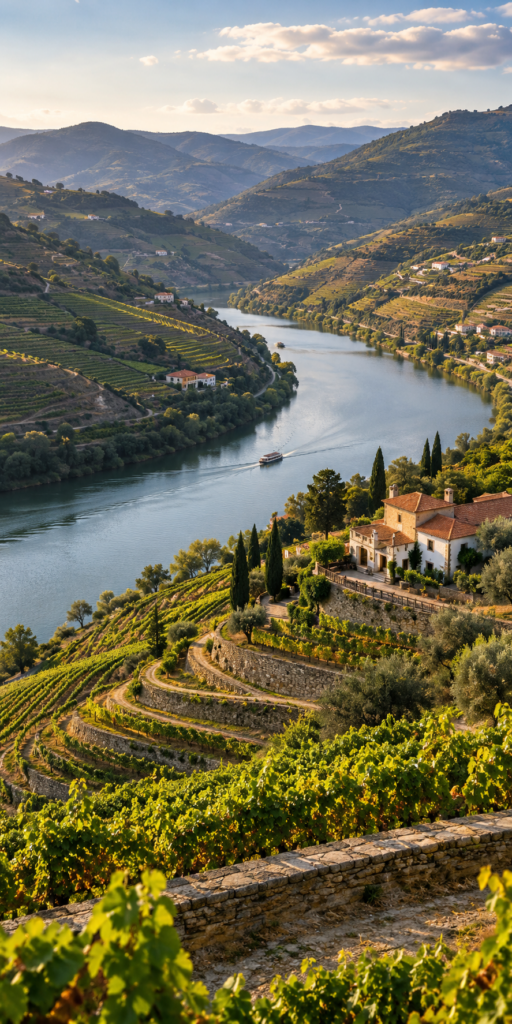
A long weekend in Portugal’s Douro Valley works best with one riverside base, one confirmed winery experience, and enough unplanned time to enjoy the landscape. Stay in Pinhão for a compact itinerary built around vineyard visits, the tiled railway station, and leisurely regional meals. For harvest activity, ask estates about September and early October rather than assuming fixed dates. Pack breathable daytime layers, a warmer evening knit, a light rain shell, and shoes with reliable grip. This three-night plan balances wine country scenery with practical transport choices, thoughtful outfits, and local flavors without turning your escape into a tasting marathon.
Plan Your Douro Valley Long Weekend Around One Base
For a first visit, build your stay around Pinhão rather than changing hotels every night. Portugal’s tourism board highlights its riverside setting and railway station, whose tiles depict vineyard cultivation. That combination gives your weekend a natural center: somewhere to arrive, explore on foot, and return between prearranged excursions.
Think of the trip as three nights with two full days, not three uninterrupted sightseeing days. Your arrival and departure deserve breathing room. Book your most important estate experience first, then arrange accommodation and transport around it. A confirmed harvest appointment matters more than a perfectly symmetrical itinerary.
Choose a Village Stay or a Vineyard Retreat
Choose village accommodation if your priority is simpler daily logistics. Before booking, check the actual walking route to the station, restaurants, and your meeting points. A property described as “near Pinhão” may still require a vehicle; a short distance on a map does not establish an easy walk.
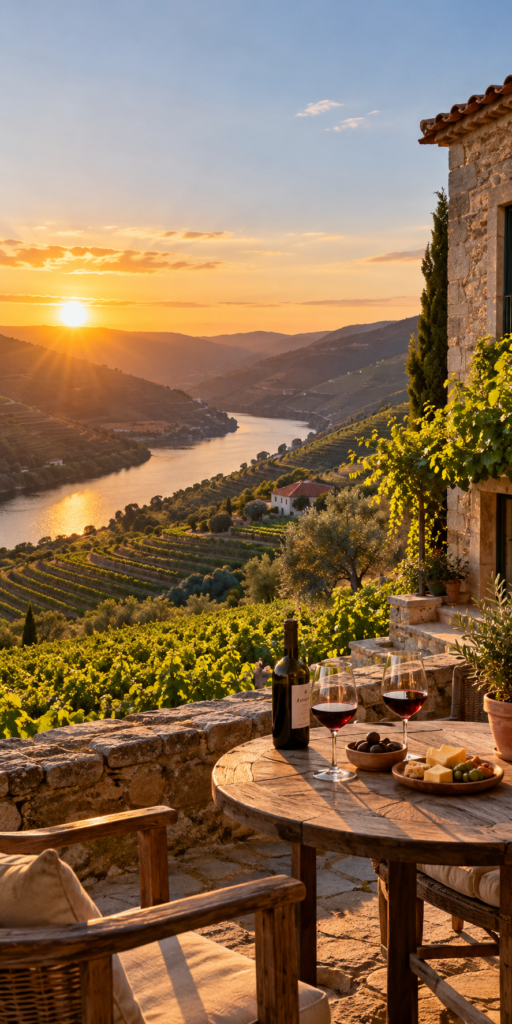
Choose a vineyard retreat if quiet mornings and staying on the property matter more than spontaneous dinners elsewhere. Ask about restaurant service on your exact dates, transfers, steps, and luggage access. A beautiful hillside address works best when the practical details support the way you want to spend your evenings.
Keep the Weekend Geographically Compact
Use this sequence as your planning framework, with final timings determined by your transport and confirmed bookings.
| Day | Main focus | What to arrange first |
|---|---|---|
| Friday | Arrive, settle in, explore Pinhão | Arrival connection and dinner |
| Saturday | One estate visit or harvest experience | Written confirmation of the activity |
| Sunday | A contrasting winery visit or relaxed landscape day | Transfers and any timed visit |
| Monday | Breakfast and departure | Return connection with a comfortable buffer |
Avoid adding a distant village simply to increase the number of stops. The value of this itinerary is time to notice the terraces, understand what happens at an estate, and finish lunch without calculating how quickly you must leave.
When to Visit for Harvest Days
September is a sensible starting point for a harvest-focused trip, with early October also worth discussing directly with estates. Quinta do Bomfim describes its typical harvest period as September to early October. Quinta da Roêda presents its grape-treading experience as seasonal and dependent on available grapes. Neither description guarantees activity on your chosen weekend.
Separate three experiences when you inquire: watching production, joining grape picking, and participating in grape treading. They are not interchangeable. A winery can be busy with harvest while offering visitors only a tour and tasting. Ask precisely what your booking includes, rather than relying on the word “harvest.”
Do Not Book October for Guaranteed Picking
If participating in harvest is your main reason for traveling, obtain confirmation before committing to nonrefundable arrangements. Ask whether your chosen activity depends on the day’s fruit intake, what happens if picking finishes early, and what alternative the estate provides.
Treat autumn color as a separate pleasure, not proof that harvesting is underway. Your weekend can still be rewarding after the busiest production period, but it should then be planned around scenery, food, and visits rather than promised participation. For broader seasonal inspiration, read Where to Travel in Fall.
Getting There Without Overcomplicating the Journey
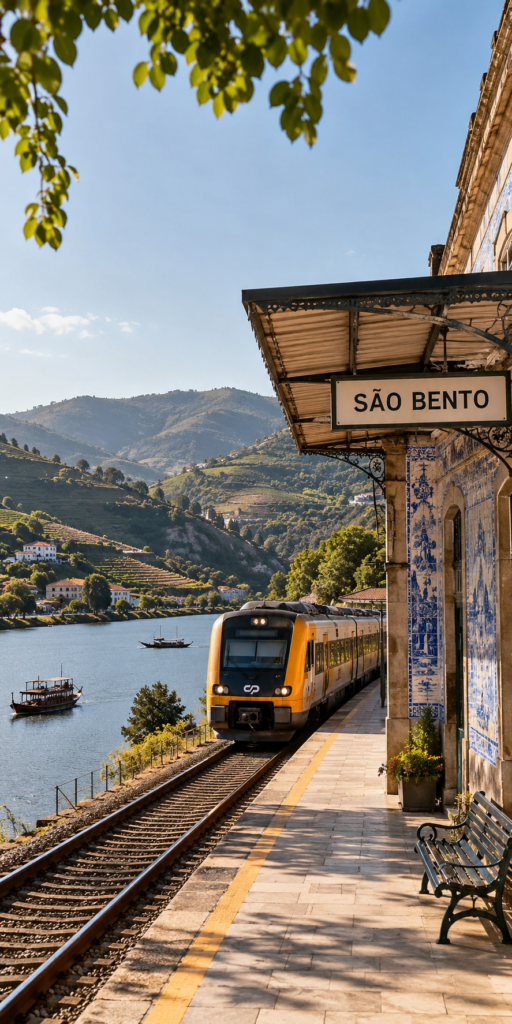
CP describes its MiraDouro service as connecting Porto São Bento, Régua, Pinhão, and Pocinho. That makes the railway a useful option to investigate for this itinerary, but check your exact travel date, departure station, current timetable, and service notices before booking connections. Published route descriptions are not a guarantee that every departure operates unchanged.
Do not build your first afternoon around an ambitious chain of reservations. Leave room for collecting luggage, reaching your accommodation, and finding your bearings. If your arrival is late, move the winery visit to the following morning rather than paying for an experience you may miss.
Train Arrival and Prearranged Transfers
A train-based weekend works best when the remaining transport is settled in advance. Ask your accommodation to confirm how you will reach it from the station, then arrange the outward and return legs of each estate visit. Avoid assuming that you can improvise every hillside journey after arrival.
If you prefer driving, choose accommodation and excursions with clear parking and arrival instructions. Separate tasting days from driving responsibilities: use a driver or prearranged transport when your plans involve drinking. You do not need to visit more estates simply because you have a car.
Budget for the Whole Day, Not Just the Tasting
Compare the complete experience: transport, visit, lunch, and any additional tasting. A modest admission charge can be misleading if the property requires a costly separate transfer. Conversely, a higher-priced experience may suit you better if it combines the elements you actually want.
Request current prices directly and check cancellation terms. This itinerary deliberately avoids fixed fare and tasting-price claims, because the useful decision is whether the whole day fits your budget and priorities—not whether an old headline price looks appealing.
Friday: Arrive Slowly and Get to Know Pinhão
Make your first afternoon about orientation. Once your bags are settled, visit the railway station’s tile panels and spend time looking at their vineyard scenes. Portugal’s tourism board specifically identifies these tiles as a reason to stop in Pinhão. They introduce the agricultural setting without requiring another appointment.
Then keep your plans small: a gentle walk, a place to sit, and an early dinner if you have traveled far. Save the long tasting for a day when you can listen, ask questions, and enjoy it without fatigue. Your arrival evening should make the valley feel less complicated, not more.
Your First-Evening Outfit
Wear straight-leg trousers, a breathable shirt, and a fine-gauge cardigan that fits easily into your day bag. Add secure walking shoes rather than carrying a separate outfit for a short evening stroll. A scarf can bring color close to your face without requiring another bulky layer.
For a polished palette, combine cream, tobacco, olive, and dark denim. These are styling suggestions, not a local dress code. Choose the colors you already wear well; repeating them across your suitcase makes three nights feel considered without requiring three entirely different wardrobes.
Keep Dinner Flexible but Not Unplanned
Ask your host which nearby restaurants will be serving on your arrival night and whether reservations are advisable. Choose somewhere that suits your remaining energy rather than chasing a distant dining room immediately after check-in.
Order with the next morning in mind. If Saturday includes a substantial lunch, Friday can be simpler. Leave space to discover the region across several meals instead of trying to fit every dish and every wine style into the first evening.
Saturday: Make One Estate Experience the Centerpiece
Choose Saturday’s experience according to what you most want to understand. Quinta do Bomfim offers guided visits, vineyard walks, and tastings that include Port and Douro DOC options. Its visitor information also describes modern lagares designed to imitate foot-treading. This is a useful choice for learning about production without assuming a participatory harvest activity.
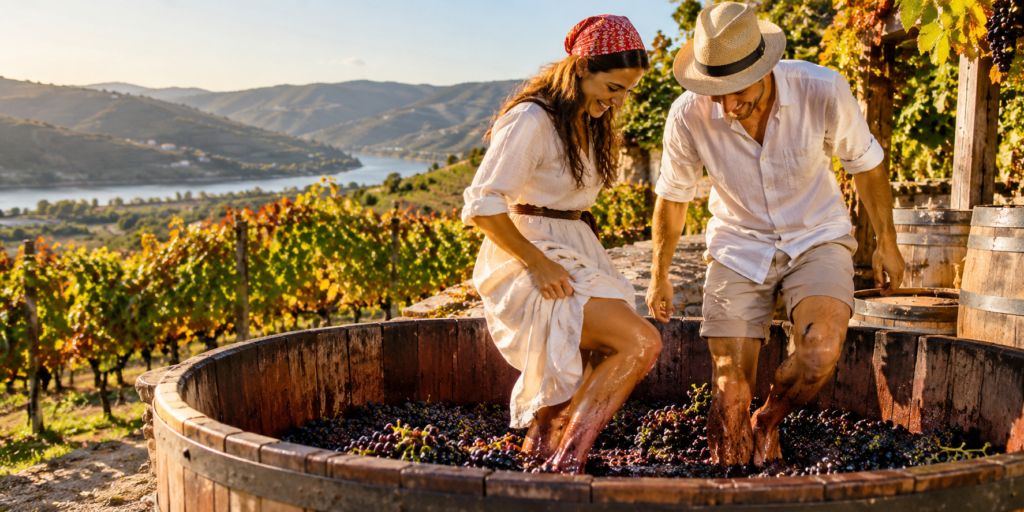
Quinta da Roêda offers a different possibility: seasonal grape treading in granite lagares. Its published experience includes a visit, tasting, and treading, subject to harvest conditions and grape availability. Treat this as a specific bookable activity, not something automatically included in an ordinary winery tour.
Ask Better Questions Before You Reserve
Send a short inquiry that establishes the practical details before payment.
- Is the activity confirmed for your date, or dependent on harvest conditions?
- Does it include observing production, picking, treading, or only a tasting?
- What clothing and footwear should participants bring?
- Are changing facilities available if the activity involves treading?
- Is food included, and can dietary requirements be accommodated?
- What are the accessibility, cancellation, and transfer arrangements?
The answers should shape your day. If an experience already includes lunch, avoid booking another elaborate meal immediately afterward. If it is primarily a tasting, allow space for a proper meal and an unhurried return rather than stacking a second appointment too tightly behind it.
Dress for the Activity You Actually Booked
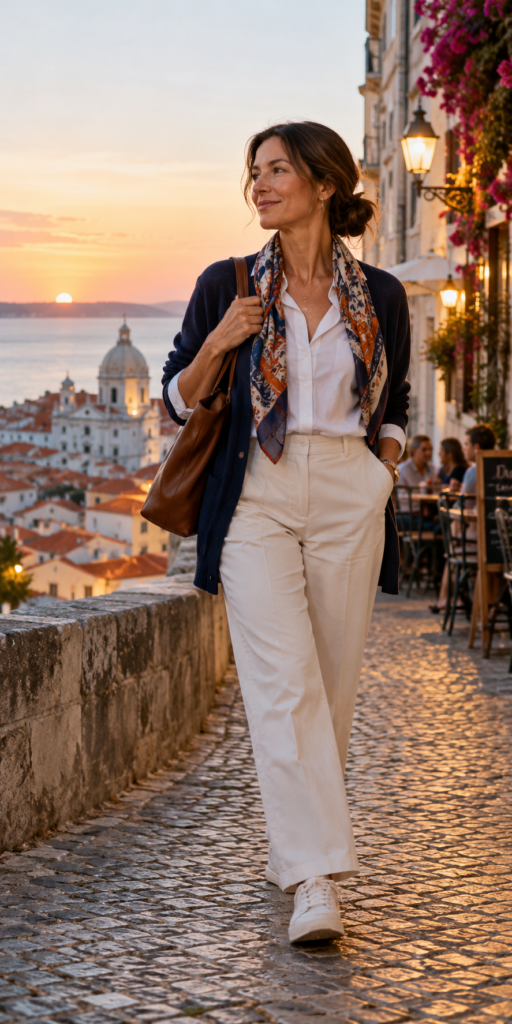
For a vineyard visit, choose trousers you can move in, a washable top, and closed shoes with traction. Save delicate hems, slippery soles, and pale suede for another setting. A compact crossbody bag leaves your hands free without making you carry an oversized tote through the whole visit.
For grape treading, follow the estate’s instructions rather than improvising from photographs. Ask what to wear, what to bring, and where belongings can be stored. Pack a change only if the host recommends it; you do not need an elaborate costume to take part respectfully.
Leave the Afternoon Open
After the estate visit, return to your base for a quiet interval. You might read, rest, or take another short walk if conditions suit. Leaving this space empty protects the experience you came for: a lunch that runs longer than expected need not become a scheduling problem.
For dinner, change one element rather than your entire outfit. Replace the daytime shirt with a softer blouse or knit, add simple earrings, and keep the comfortable trousers. The result feels appropriate for dinner while respecting the limited space in a weekend bag.
Build a Small Layered Wardrobe That Works Hard
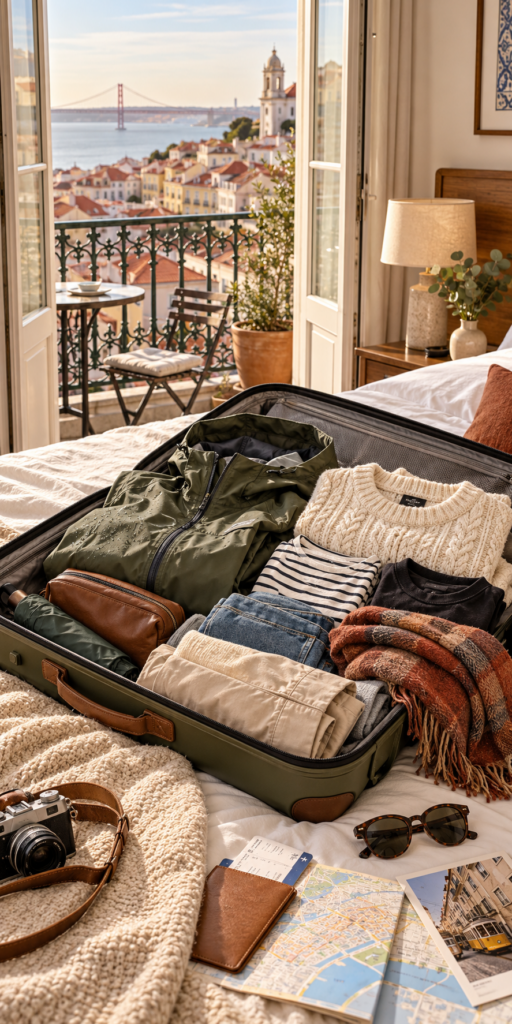
Pack for adjustable comfort rather than a single imagined version of autumn. Check the forecast close to departure and choose pieces that can be worn separately or together. A lightweight shell is a different tool from a warm sweater; one handles rain, while the other adds insulation.
Start with what is already in your wardrobe. The most useful capsule is not a shopping list of new purchases, but a group of familiar pieces whose fit, comfort, and combinations you have already tested.
A Practical Three-Night Packing List
Use this as a starting point, then adjust for your forecast, accommodation, and booked activities.
- Two pairs of trousers: one travel-friendly, one slightly smarter.
- Three tops: a breathable shirt, an easy base layer, and a dinner option.
- One cardigan or fine wool sweater.
- One light rain shell or practical weather-resistant outer layer.
- One pair of reliable walking shoes; optional compact dinner shoes.
- Socks, underwear, sleepwear, sunglasses, and a small day bag.
Wear the bulkiest practical items while traveling. Keep your outer layer accessible rather than buried under folded clothes. If you need a fuller system for organizing essentials, use Ultimate Travel Packing Guide to check the less photogenic necessities as well.
Three Outfit Formulas to Repeat
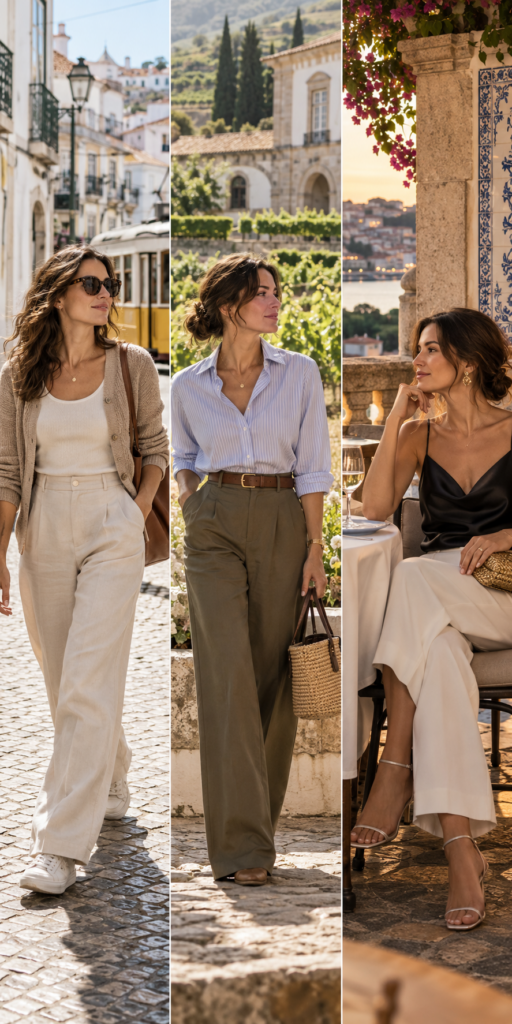
For travel, combine relaxed trousers, a soft base layer, a cardigan, and walking shoes. For an estate visit, switch to a washable shirt and the most practical trousers in your bag. For dinner, add your smarter top and let a small accessory create the change in mood.
Avoid bringing a long, heavy coat solely because it looks autumnal in photographs. Equally, do not pack only light summer clothing because your accommodation has a sunny terrace. Let the forecast and your actual activities determine the layers, then use color and texture to make them feel cohesive.
Your Douro Weekend Readiness Check
Use this quick check before departure. It is designed to reveal unfinished logistics, not to prescribe how many activities you should book. Complete the practical foundations first, then leave the remaining space for enjoying your surroundings.
Once the foundations are covered, resist filling every remaining hour. A weekend with one memorable estate experience, satisfying meals, and reliable transfers can be more enjoyable than an ambitious schedule that leaves you watching the clock.
Sunday: Change the Pace and Explore Local Flavours
Make Sunday different from Saturday. If you joined a hands-on harvest activity, choose a quieter visit or a relaxed lunch. If Saturday focused on Port production, consider an experience that explores Douro DOC wines instead. Quinta do Bomfim lists both Port and Douro DOC tasting options, so ask which format best complements your first day.
Keep the afternoon adaptable to weather and energy. You do not have to earn a leisurely lunch with another excursion first. A second estate should add a genuinely different perspective, not simply repeat the same format with a different view.
Order Regional Food With Curiosity
The regional Discover Douro gastronomy guide identifies dishes across the area’s municipalities, including roast kid, meat-filled breads, sausages, and traditional sweets. Its Sabrosa entry includes cabrito assado com arroz de forno—roast kid with oven-baked rice. These are dishes to look for on current menus, not a promise that every restaurant serves them daily.
Ask what is being cooked that day and how large the portions are. This is particularly useful if you want to share starters or leave room for dessert. Let the kitchen’s actual offering guide the meal rather than arriving with a checklist that must be completed.
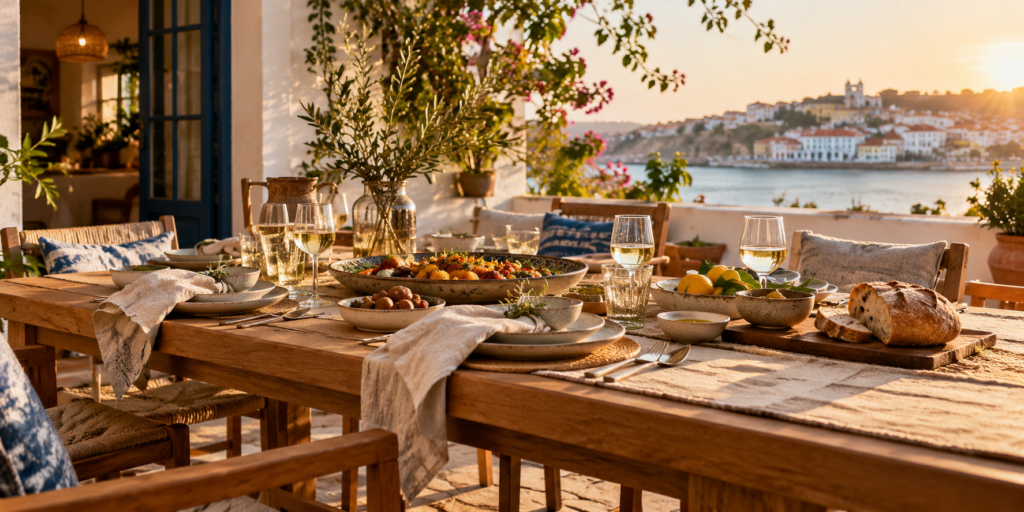
Make One Meal About the Setting, Too
If you want a named dining option to investigate, Bomfim 1896 is presented by the estate as a riverside restaurant focused on traditional Douro and Portuguese recipes. Confirm opening days, availability, and the current menu before arranging your day around it. The setting can be part of the occasion without requiring an elaborate sequence of tastings.
For a simpler meal, prioritize a convenient location and a menu that appeals to you. Ask about vegetable dishes and dietary needs directly; do not assume a traditional menu automatically offers a complete alternative. Reserve your most important meal, then leave another flexible.
Bring the Mood Home Without Overbuying
Use the trip to notice what makes a meal feel inviting: a restrained palette, comfortable seating, tactile linens, and room on the table for serving dishes. You can reinterpret that atmosphere at home without copying a restaurant or buying a suitcase of fragile objects.
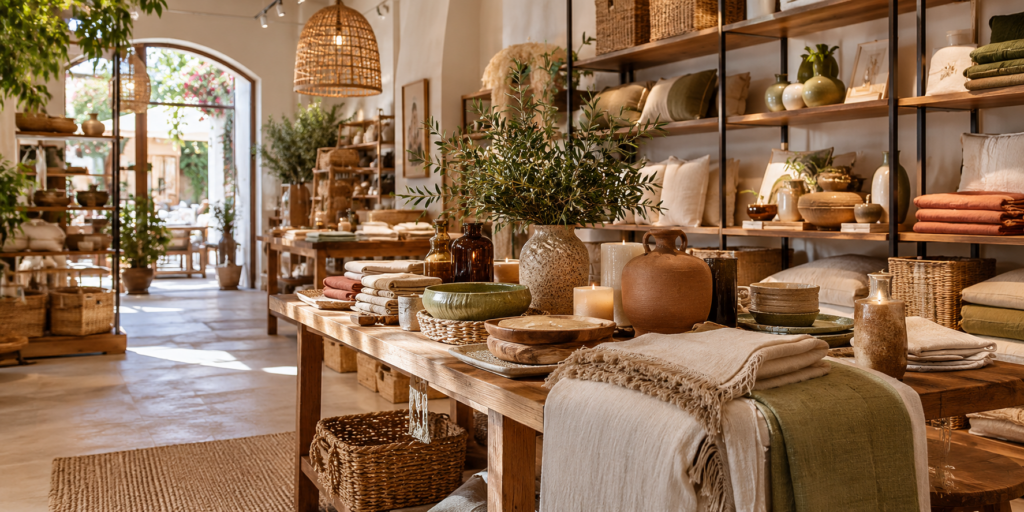
For a broader approach to warm textures and relaxed entertaining, read Mediterranean Home Decor Style: Colors, Textures & Shopping List. Treat it as complementary design inspiration, not as a claim that the Douro has one uniform interior style.
Monday: Leave With a Comfortable Buffer
Make departure morning deliberately uneventful. Pack most of your bag the night before, settle your account with enough time, and confirm your station or onward transfer. Avoid a final tasting appointment that depends on everything else running perfectly.
If you have an early onward flight, assess whether spending the previous night closer to your departure point would be more comfortable. The right decision depends on your actual connections. A three-night escape should not end with an avoidable race between unrelated bookings.
Frequently Asked Questions
These answers address the decisions that most affect a short stay: timing, transport, participation, packing, and how much to schedule.
When Is the Best Time for a Harvest-Focused Douro Weekend?
September is a useful starting point, with early October also possible depending on the estate and season. Quinta do Bomfim describes its typical harvest window as September to early October. Contact your chosen property before booking, because witnessing production and taking part in a visitor activity require different arrangements, and neither should be assumed for a particular date.
Can You Visit the Douro Valley Without Renting a Car?
Yes, a car-free weekend can be built around rail travel and prearranged local transfers. CP describes MiraDouro connections between Porto, Régua, Pinhão, and Pocinho. Check current timetables and service notices, then confirm how you will reach your accommodation and estates. The railway connection alone does not resolve the final journey to a hillside property or your return after dinner.
Can Visitors Really Tread Grapes?
Yes, some estates offer visitor grape-treading experiences during harvest. Quinta da Roêda explicitly lists an activity involving its granite lagares, subject to the season and available grapes. Book the specific experience rather than assuming an ordinary tasting includes it. Ask about clothing, changing arrangements, participation requirements, and the alternative offered if harvest conditions change before your scheduled visit.
What Should You Wear for a Douro Valley Weekend?
Wear comfortable separates that you can layer: trousers, a breathable shirt or base layer, a sweater, and an outer layer selected for the forecast. Bring shoes appropriate to your planned walking and follow your estate’s activity instructions. For dinner, a smarter top or accessory can refresh the same outfit without requiring an additional pair of impractical shoes or a completely separate wardrobe.
Are Three Nights Enough for the Douro Valley?
Three nights are enough for the compact itinerary proposed here: an arrival evening, two full days, and a departure morning. Keep one base, make one estate experience the centerpiece, and add a second only if it offers something different. You will not cover the entire region, but you can enjoy a coherent introduction without treating every meal as a scheduling obstacle.
Book the Experience, Then Leave Room Around It
Start with your dates, confirm one meaningful estate visit, and choose a base that makes the rest straightforward. Pack practical layers, arrange the journeys that need arranging, and protect time for lunch and the landscape. The most satisfying Douro weekend is not the one with the longest list of reservations; it is the one whose details let you slow down.