The Hottest Travel Trends of 2026
Why Travel Looks So Different in 2026
Travel in 2026 feels noticeably different from just a few years ago — and not because of destinations alone.
The biggest change is happening inside the traveler.
People are no longer chasing the idea of seeing “as much as possible.” Instead, they’re asking deeper questions before they book a flight.
Will this trip help me recharge?
Will it inspire me?
Will I remember it five years from now?
In the past, travel often meant rushing. Tight schedules. Early alarms. Packed sightseeing days. Photos taken quickly, edited later, and forgotten soon after. But after years of global uncertainty, remote work shifts, and constant digital noise, travelers are craving something slower, calmer, and more intentional.
In 2026, travel has become a form of self-care, self-expression, and sometimes even self-discovery.
This shift explains why traditional “top 10 destinations” lists are losing relevance. Travelers don’t want generic advice anymore. They want experiences that match their personality, values, and current life phase. A solo traveler in their thirties is looking for something very different than a burned-out professional, a young family, or a couple celebrating a milestone.
Another major reason travel feels different is choice overload. Social media made travel accessible and visible — but also exhausting. Endless reels, recycled itineraries, and overcrowded hotspots pushed many people to step back and rethink how they want to explore the world.
As a result, 2026 travelers are becoming more selective.
They travel less often — but with more intention.
They plan longer — but with more flexibility.
They spend smarter — prioritizing value over volume.
Travel is no longer about proving where you’ve been.
It’s about choosing journeys that actually move you.
Wellness Travel Goes Deep (Not Just Massages)
Wellness travel in 2026 is no longer a luxury add-on.
It’s becoming the main reason people travel.
But this isn’t about spa weekends or hotel gyms anymore.
Modern wellness travel is rooted in mental clarity, emotional balance, and nervous-system recovery. Travelers are seeking spaces where they can truly disconnect — not just from work, but from constant stimulation.
Burnout is shaping travel decisions more than budgets.
Retreats focused on stress regulation, sleep quality, emotional healing, and mindful living are fully booked months in advance. And unlike traditional wellness trips, these experiences are often structured, immersive, and intentionally offline.
One of the biggest trends for 2026 is sleep tourism. Hotels and retreats are designing entire programs around rest — soundproof rooms, circadian lighting, sleep coaching, and digital-free evenings. Travelers are realizing that deep rest is not a luxury; it’s essential.
Another powerful shift is the rise of solo wellness travel. More people are choosing to attend retreats alone — not out of loneliness, but out of self-respect. Solo wellness trips allow travelers to focus inward without compromise, distraction, or social pressure.
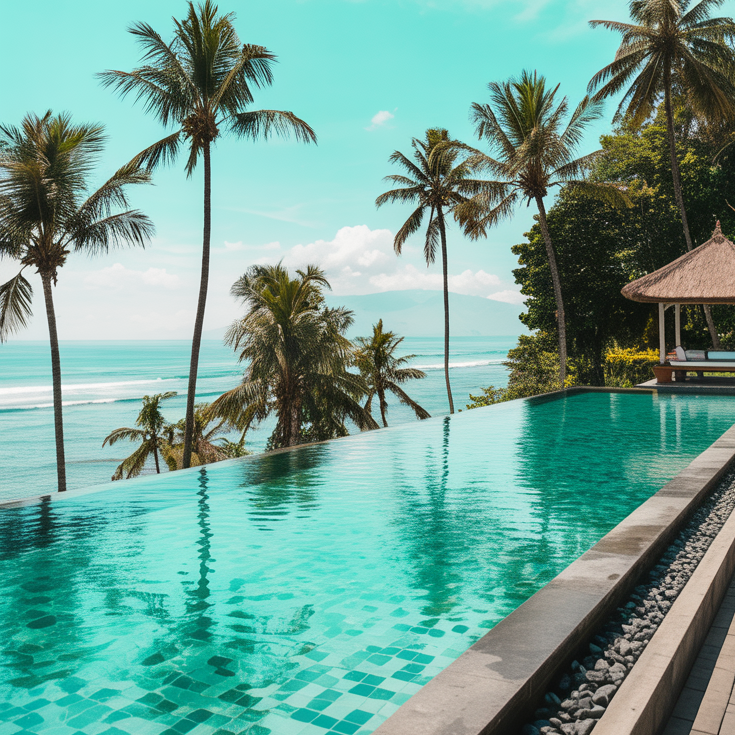
Wellness destinations in 2026 are also becoming more diverse. While tropical retreats remain popular, travelers are increasingly drawn to mountain escapes, countryside sanctuaries, forest-based lodges, and minimalist coastal hideaways. Nature is no longer a backdrop — it’s part of the healing process.
What makes wellness travel truly different in 2026 is intention. These trips aren’t about escaping life; they’re about returning to it more grounded, more focused, and more present.
Slow Travel Is the New Luxury
In 2026, luxury is no longer measured by five-star ratings or infinity pools.
Luxury is time.
Slow travel — once considered impractical or indulgent — has become one of the strongest travel trends worldwide. Travelers are intentionally choosing fewer destinations and longer stays, allowing themselves to experience places beyond surface-level impressions.
Instead of hopping between cities every two days, people are renting apartments for weeks, sometimes months. They’re learning local routines, shopping at neighborhood markets, and discovering places that never appear in guidebooks.
This shift is especially visible in Europe, where train travel is experiencing a renaissance. Overnight trains, scenic rail routes, and regional connections are replacing short-haul flights for many travelers. The journey itself is becoming part of the experience — calm, scenic, and far less stressful.
Slow travel also aligns naturally with sustainability and wellness. Fewer transfers mean lower emissions, less fatigue, and more meaningful engagement with each destination. Travelers report feeling less overwhelmed and more emotionally connected to the places they visit.
Another reason slow travel is booming is financial clarity. Contrary to popular belief, staying longer in one place often costs less than rapid movement. Monthly rentals, local dining, and reduced transport expenses make slow travel surprisingly budget-friendly — especially for remote workers and flexible travelers.
But perhaps the most important aspect of slow travel is presence.
In 2026, travelers don’t want to rush through moments anymore. They want to wake up without alarms. Walk without maps. Sit without agendas. Travel becomes less about consumption and more about connection — to a place, to people, and to oneself.
Sustainable Travel Becomes Non-Negotiable
In 2026, sustainable travel is no longer a “nice idea.”
It’s a clear expectation.
Travelers are no longer asking if sustainability matters — they’re asking how deeply it’s built into their travel choices. Greenwashing is easy to spot, and vague eco-claims no longer convince anyone. Instead, travelers are researching, comparing, and choosing destinations and accommodations that align with their values.
One of the biggest shifts is that sustainability is no longer seen as a compromise. In the past, eco-friendly travel was often associated with giving something up — comfort, convenience, or luxury. In 2026, it’s the opposite. Many of the most beautiful, peaceful, and memorable travel experiences are rooted in sustainability.
Eco-lodges, regenerative resorts, and locally owned boutique stays are outperforming large, anonymous hotel chains. Travelers want to know where their money goes. Who owns the place. Who benefits from tourism. Staying local is no longer just ethical — it’s part of the experience.
Another major trend is regenerative tourism. Instead of simply minimizing harm, travelers want their presence to actively improve the destination. This can mean supporting conservation projects, choosing accommodations that restore ecosystems, or participating in community-led cultural programs.
Transportation choices are also changing. While flying remains unavoidable for many trips, travelers are becoming more conscious of how often and how far they fly. Short-haul flights are increasingly replaced by trains, ferries, and slow travel routes. Some travelers are even planning entire itineraries around low-impact transport, turning the journey itself into a highlight.
Importantly, sustainable travel in 2026 is deeply personal. For some, it means reducing carbon footprint. For others, it’s about respecting local culture, avoiding overtourism, or supporting fair labor practices. What unites these approaches is awareness.
Travelers no longer want to feel like outsiders passing through. They want to feel like respectful guests — present, curious, and responsible.
Sustainability is no longer a trend you opt into.
It’s the foundation of modern travel.
Emerging Destinations Everyone Will Talk About
If there’s one thing travelers are tired of in 2026, it’s crowds.
Overtourism has reshaped how people choose destinations, and the result is a massive shift away from overexposed hotspots. Instead of iconic cities overwhelmed by visitors, travelers are seeking places that still feel authentic, affordable, and emotionally engaging.
Emerging destinations are no longer random discoveries — they’re the result of very intentional decision-making.
Travelers are asking smarter questions:
Is this place still enjoyable, or just famous?
Will I experience real culture, or just queues and filters?
Does this destination offer depth, or only visuals?
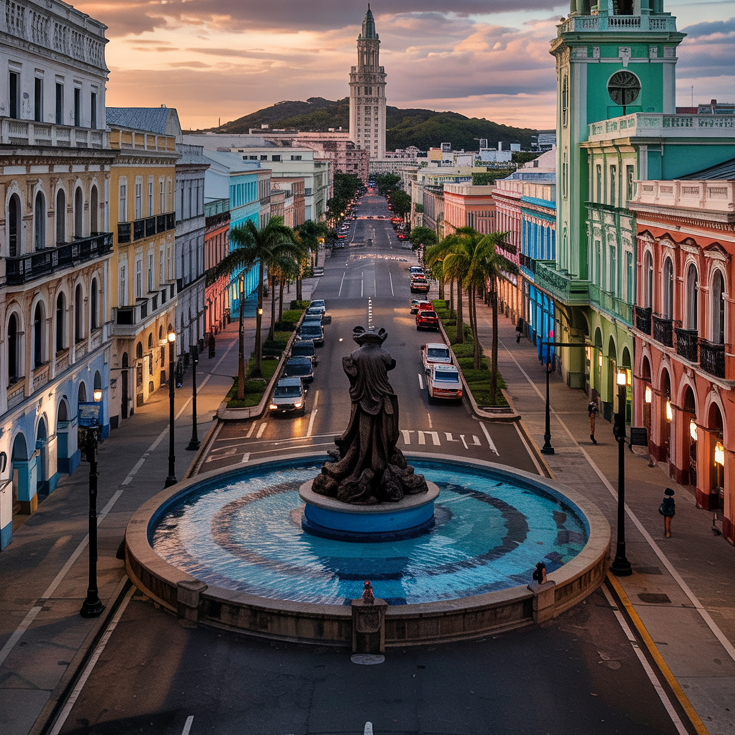
As a result, secondary cities and lesser-known regions are stepping into the spotlight. Smaller coastal towns are replacing famous beach resorts. Regional capitals are becoming more appealing than national ones. Rural areas, once overlooked, are now prized for their calm, beauty, and sense of escape.
Another reason emerging destinations are booming is flexibility. With more people working remotely or traveling outside peak seasons, they’re no longer restricted to “classic” destinations at classic times. This opens the door to places that were previously considered inconvenient or underrated.
Affordability also plays a major role. As prices rise in traditional tourist hubs, travelers are discovering incredible value elsewhere — better accommodation, richer food culture, and more personalized experiences for the same budget.
But perhaps the most powerful driver behind emerging destinations is emotional novelty. Travelers want to feel something new again. They want the excitement of discovery, the joy of not knowing exactly what to expect, and the thrill of stories that haven’t been told a thousand times online.
In 2026, being well-traveled doesn’t mean going everywhere.
It means choosing places that still have the power to surprise you.
Emerging destinations offer exactly that — authenticity, connection, and the feeling that travel can still be magical.
Once-in-a-Lifetime Experiences Take Center Stage
In 2026, travel planning often starts with a single question:
What do I want to experience — not where do I want to go?
This shift has fundamentally changed how people design their trips. Instead of building itineraries around destinations, travelers are building entire journeys around one defining moment — an experience that feels rare, emotional, and deeply personal.
These once-in-a-lifetime experiences don’t always have to be extreme or expensive. What they have in common is meaning. They feel intentional. They mark a moment in someone’s life.
For some, this means adventure travel: hiking through remote landscapes, diving in untouched waters, or exploring places that require effort to reach. For others, it’s cultural immersion — learning a traditional craft, staying with local families, or participating in rituals and festivals that tourists rarely see.
Multi-generational travel is also fueling this trend. Families are increasingly planning trips that bring grandparents, parents, and children together around a shared experience — not just relaxation. These journeys are designed to create stories, memories, and emotional connections that last far beyond the trip itself.
Another important element is storytelling. Travelers in 2026 want trips they can tell, not just show. The emphasis has moved away from polished photos toward meaningful narratives. Experiences that change perspective, challenge comfort zones, or deepen understanding of the world feel far more valuable than checking off landmarks.
What’s especially interesting is how travelers are saving and planning differently. Instead of several small trips, many people are choosing to invest in one powerful journey per year — something they’ll remember forever.
In 2026, travel is no longer about frequency.
It’s about impact.
Digital Nomad Travel Evolves Again
Digital nomadism in 2026 looks very different from the early laptop-on-the-beach fantasy.
The novelty has worn off — and what remains is something more realistic, grounded, and sustainable.
Many digital nomads are no longer chasing constant movement. Instead, they’re seeking balance. Stability matters. Community matters. Mental health matters. As a result, nomads are staying longer in fewer places, forming routines, and integrating into local life rather than hopping endlessly between countries.
Another major shift is the rise of hybrid travel lifestyles. People are no longer identifying strictly as tourists or nomads. They’re blending short-term travel, longer stays, and periods of home life. Flexibility is the new status symbol.
Countries are responding to this trend with updated visa options, infrastructure improvements, and co-living concepts designed specifically for longer stays. But beyond policies, what really matters is how places make travelers feel. Cities that offer walkability, safety, nature access, and strong social scenes are thriving.
Work itself is also changing. In 2026, digital nomads are working fewer hours while prioritizing higher-quality output. Productivity is no longer measured by how long you sit in front of a screen, but by how sustainable your lifestyle feels.
Importantly, digital nomad travel is becoming more inclusive. It’s no longer limited to tech workers or freelancers in their twenties. Professionals in their thirties, forties, and beyond are redesigning their careers to allow for location flexibility — without sacrificing stability or income.
In 2026, the digital nomad dream isn’t about escape.
It’s about designing a life that works — anywhere.
Luxury Travel Is Being Redefined
Luxury in 2026 is quieter than ever.
Gone are the days when luxury meant excess, visibility, or constant upgrades. Today’s luxury traveler is seeking something far more subtle: control over time, space, and experience.
This shift has given rise to what many call “quiet luxury” or “invisible luxury.” It’s not about logos or opulence. It’s about privacy, personalization, and ease.
Boutique hotels are outperforming large resorts because they feel intentional. Personalized service matters more than size. Travelers want to feel understood, not impressed. They value silence over spectacle and authenticity over performance.
Another defining aspect of luxury travel in 2026 is space. Spacious accommodations, uncrowded environments, and flexible schedules feel more luxurious than ever. The ability to wake up without plans, avoid queues, and move at one’s own pace has become priceless.
Luxury travelers are also redefining value. Instead of spending on visible extras, they’re investing in experiences that simplify life — private transfers, curated itineraries, seamless logistics, and thoughtful details that remove friction from travel.
Importantly, luxury is no longer disconnected from sustainability. High-end travelers increasingly expect ethical practices, environmental responsibility, and cultural respect as part of the luxury experience. True luxury now includes peace of mind.
In 2026, luxury doesn’t shout.
It whispers.
And those who understand this shift are shaping the future of high-end travel.
Solo Travel Is More Popular Than Ever
Solo travel in 2026 is no longer a niche choice.
It’s a conscious lifestyle decision.
More travelers than ever are choosing to travel alone — not because they have no one to go with, but because they want full ownership over their time, energy, and experience. Solo travel has shifted from something people end up doing to something they intentionally choose.
One of the main drivers behind this trend is emotional independence. Travelers are realizing that waiting for the “perfect travel companion” often means postponing life. In 2026, people are choosing to move forward anyway — confidently, safely, and on their own terms.
Safety-focused planning has made solo travel more accessible than ever. Destinations that offer reliable infrastructure, walkable cities, strong digital connectivity, and welcoming social environments are becoming solo-travel hotspots. Group experiences designed specifically for solo travelers — such as guided day trips, workshops, and community dinners — allow for connection without pressure.
Another important shift is how solo travelers define success. It’s no longer about being constantly busy or meeting as many people as possible. Many solo travelers are prioritizing peace, reflection, and personal growth. Solo travel becomes a space to think clearly, reset emotionally, and reconnect with personal goals.
In 2026, traveling alone doesn’t mean being isolated.
It means being deeply present.
Tech-Enhanced, But Not Tech-Obsessed Travel
Technology plays a major role in travel in 2026 — but it’s no longer the main attraction.
Travelers are using technology to simplify, not dominate, their journeys. AI-assisted trip planning, smart packing tools, and real-time translation apps are helping travelers save time and reduce stress. Planning is faster, smoother, and more personalized than ever.
At the same time, there’s a strong pushback against constant screen use. Travelers are deliberately choosing experiences that encourage presence — digital-free accommodations, phone-free zones, and offline activities are growing in popularity.
The balance is intentional. Technology is there to remove friction, not replace experience. Travelers want to arrive prepared, confident, and informed — then put the phone away and actually live the moment.
Smart travel in 2026 isn’t about using more apps.
It’s about knowing when not to use them.
11. How to Plan Travel in 2026 (Practical Tips)
Planning travel in 2026 requires a slightly different mindset than before.
Flexibility is key. Travelers are increasingly choosing refundable bookings, open-ended itineraries, and travel insurance that allows for changes without stress. The ability to adapt has become more valuable than rigid planning.
Budgeting is also evolving. Instead of spreading money across many small expenses, travelers are allocating more budget toward experiences that matter most — comfort during transit, meaningful activities, and accommodation that supports rest.
Timing matters more than ever. Shoulder seasons are becoming the preferred choice for experienced travelers, offering better prices, fewer crowds, and more authentic interactions. Travelers are also researching destinations more carefully, looking beyond trending posts and into local realities.
Perhaps the most important planning tip for 2026 is alignment. The most satisfying trips are not the most expensive or exotic — they’re the ones that match your current needs, values, and energy.
Good planning doesn’t just organize a trip.
It protects the experience.
The Future of Travel Beyond 2026
Travel in 2026 reflects a deeper cultural shift.
People are no longer traveling to escape life — they’re traveling to reconnect with it. The emphasis has moved from quantity to quality, from performance to presence, from status to meaning.
Wellness, sustainability, slow travel, emerging destinations, and intentional experiences are not passing trends. They are signals of a more conscious, emotionally intelligent way of exploring the world.
The future of travel belongs to those who travel with purpose — who choose experiences that enrich rather than exhaust, inspire rather than impress.
In the years ahead, travel will continue to evolve. But one thing is clear: the most powerful journeys will always be the ones that reflect who we are — and who we are becoming.
If you’re planning a trip for 2026, let it be more than a destination.
Let it be a decision that truly serves you.
Frequently Asked Questions About Travel Trends in 2026
What are the biggest travel trends for 2026?
The biggest travel trends for 2026 focus on intentional, experience-driven travel. Wellness retreats, slow travel, sustainable tourism, and once-in-a-lifetime experiences are shaping how people plan trips. Travelers are prioritizing quality over quantity, choosing fewer destinations, longer stays, and journeys that support mental well-being, personal growth, and meaningful connection.
Is wellness travel really worth it in 2026?
Yes — wellness travel in 2026 goes far beyond traditional spa experiences. Modern wellness trips focus on stress recovery, sleep quality, mental clarity, and emotional balance. Many travelers report long-lasting benefits, such as improved focus, reduced burnout, and healthier routines after returning home. For many, wellness travel is now seen as an investment in long-term well-being rather than a luxury expense.
What does “slow travel” mean in 2026?
Slow travel in 2026 means spending more time in fewer places. Instead of rushing between destinations, travelers stay longer, explore local life, and reduce travel stress. Slow travel allows for deeper cultural immersion, better rest, lower environmental impact, and often even lower overall costs. It’s considered one of the most satisfying and sustainable ways to travel today.
Is sustainable travel more expensive?
Not necessarily. While some eco-lodges or ethical accommodations may have higher upfront prices, sustainable travel often leads to better value overall. Longer stays, local dining, and reduced transportation costs can balance expenses. In 2026, many travelers choose sustainability not because it’s cheaper, but because it offers more meaningful, authentic experiences.
Which destinations are trending for 2026 travel?
Trending destinations for 2026 include emerging regions, secondary cities, and less crowded alternatives to popular hotspots. Travelers are avoiding overtourism and seeking places that offer authenticity, affordability, and emotional novelty. Instead of following viral travel lists, many travelers research destinations based on lifestyle fit, safety, and long-term appeal.
Is solo travel safe in 2026?
Solo travel in 2026 is safer and more accessible than ever — especially with better infrastructure, digital tools, and traveler-focused communities. Many destinations actively support solo travelers with walkable cities, reliable transport, and social experiences designed for individuals. As always, smart planning and awareness are essential, but solo travel is now a mainstream and widely supported travel style.
Are digital nomads still traveling in 2026?
Yes, but digital nomad travel has evolved. In 2026, digital nomads are prioritizing stability, balance, and community over constant movement. Longer stays, hybrid lifestyles, and work-life sustainability are more important than chasing new locations. Many digital nomads now design routines that support productivity and mental health, not just flexibility.
How is luxury travel different in 2026?
Luxury travel in 2026 is quieter, more personal, and less visible. Instead of flashy experiences, travelers value privacy, space, personalization, and ease. Boutique accommodations, seamless logistics, and thoughtful details define modern luxury. Sustainability and ethical practices are also increasingly expected as part of a true luxury experience.
How far in advance should I plan travel for 2026?
For popular experiences, wellness retreats, and unique accommodations, planning 6–12 months ahead is recommended. However, flexibility is key. Many travelers choose refundable bookings and adaptable itineraries to allow for changes. Shoulder seasons are especially popular for those seeking better prices and fewer crowds.
What travel style will be most popular in 2026?
The most popular travel style in 2026 is experience-first travel. Instead of focusing on destinations alone, travelers design trips around feelings, goals, and personal priorities — such as rest, adventure, creativity, or connection. Travel is becoming less about trends and more about alignment with individual needs.
Is travel becoming more or less spontaneous in 2026?
Travel in 2026 is planned more thoughtfully but experienced more spontaneously. Travelers prepare logistics in advance to reduce stress, then allow space for flexibility once they arrive. This balance helps travelers feel secure without over-controlling their journey.
Will travel trends change again after 2026?
Travel trends will continue to evolve, but many 2026 trends reflect long-term shifts rather than short-term fads. Wellness, sustainability, slow travel, and intentional experiences are expected to remain relevant well beyond 2026, shaping the future of travel for years to come.